
Working in an unhygienic salon can result in cross-contamination, resulting in breaching the Health and Safety Legislation that your insurance covers you for.
Cross infection normally occurs through the therapist not following the basic hygiene procedures. Such as:
- Contaminated implements and tools
- Unclean hands
- Discharge from mouth and nose
- Shared items such as towels and cups
- Contact with infected skin cells
To avoid this from occurring it is essential to follow the basic rules:
- Always check clients for contra-indications to the treatment
- Always ensure basic hygiene procedures are followed for towels, tools and shared items
- Dispose of all waste products in a sealed waste bag
- Use disposable equipment where possible
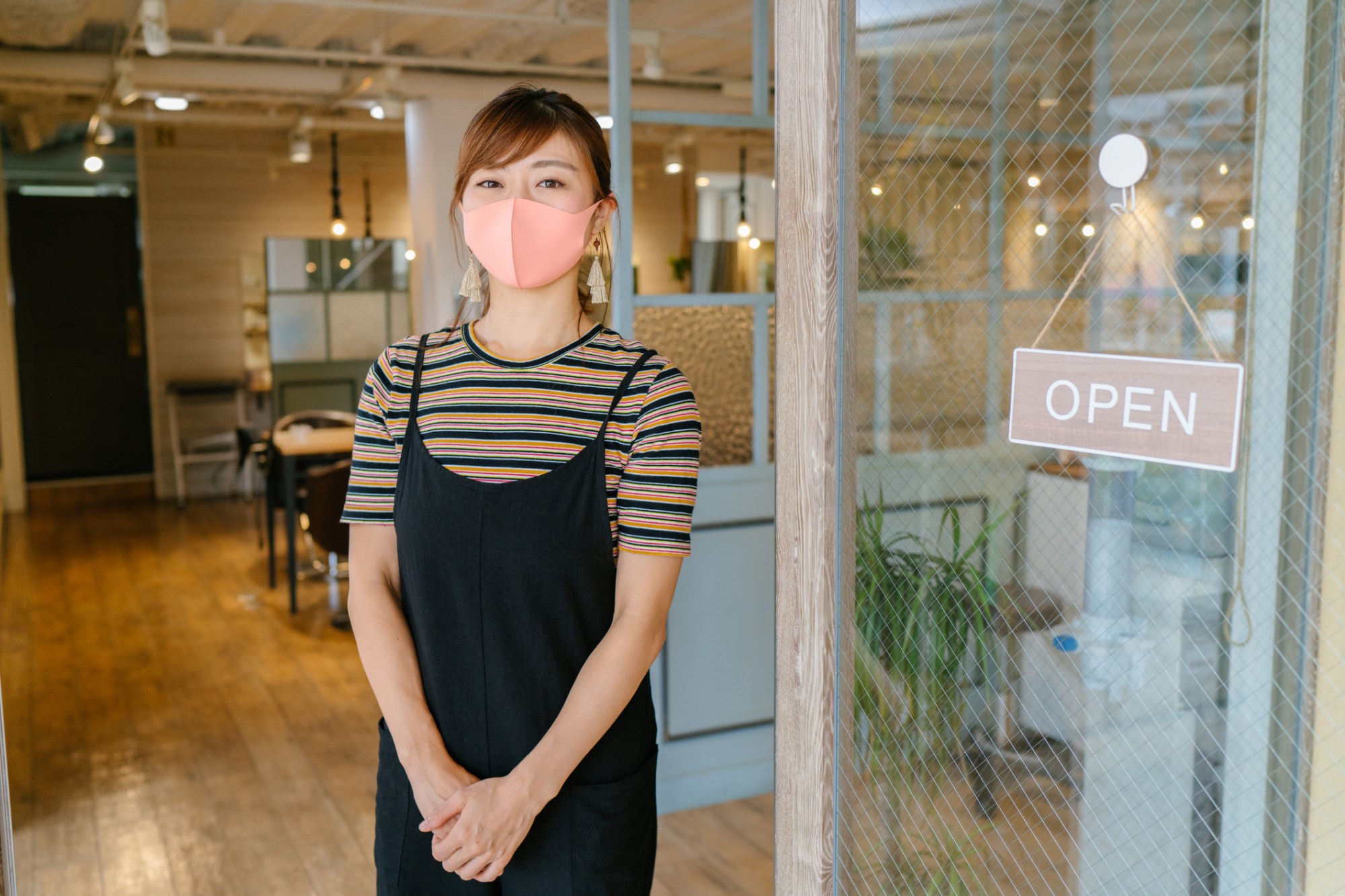
- If you have a cold protect the client by wearing a surgical mask to ensure the client is protected
The process of disinfection reduces the population of most living organisms to safe numbers and does not eradicate spores. An example of this is bleach.
Antiseptics prevent the growth of microorganisms and do not kill them all. You would use an antiseptic prior to piercing ears.
Ensure that all surfaces, including taps, door handles, light switches and general equipment is also regularly disinfected. Equipment can be cleaned with surgical spirit.
Disinfectants must be stored carefully and must be made up freshly prior to use. They generally require to be diluted with water and manufacturer’s guidelines must be followed carefully to ensure safe use.
Laundry
All uniforms, towels and couch covers must be washed in detergent at a minimum temperature of 60 degrees centigrade and then tumble dried on a hot setting. If your towels are white they can be washed on the hottest setting your machine will allow. Never let wet towels stand for days before drying.
Hand Washing
Remember to always wash your hands before and after every treatment. This should involve a thorough 20 to 30 second wash of the hands and wrists using hot water and liquid soap from a disposable dispenser, followed by a thorough drying with paper towels.
Certain areas of the hands are more prone to harbouring microorganisms. These are between the fingers, the fingertips, the thumb, the back of the hand and the wrist.
Sanitising Gels
Sanitising gels are very useful to effectively cleanse the hands and usually take the form of an antiseptic, they will prevent the growth of microorganisms and are safe to use directly onto the skin and can be used prior to treatment by the therapist and client.
Tidy Salon
Always use clean towels and bedding, and add disposable paper covers to your couch for each client.
You must not allow staff to eat or drink in the treatment room. A separate room should be provided for staff to take their breaks in and this should be well away from the treatment area.
Disposable Gloves
Disposable gloves should be worn where there is a possibility of contact with blood or bodily fluids, either during a treatment or when administering first aid. Gloves should always be replaced after each client.
Due to an increasing number of cases of latex allergy, it is advisable to use disposable gloves made from another material such as nitrile or PVC.
If you or the client show any signs of allergy or irritation as a result of contact with disposable gloves stop the treatment and remove the gloves before seeking medical advice.
Waste
Anything contaminated with human tissues should be designated as Group A clinical waste under the Environmental Protection Act 1990 and the Controlled Waste Regulations 1992.
Clinical Waste
Group A clinical waste includes the following:
- Human or animal tissue;
- Blood or other body fluids;
- Excretions;
- Swabs or dressings;
- Clinical Waste
Clinical waste should be placed in yellow refuse sacks and sealed with plastic ties or a heat sealer. You will need to appoint a specialist contractor to remove clinical waste from your premises.
Examples of contaminated waste in the salon are used wax strips, tissues, and cotton wool and first aid dressings.
Group B clinical waste in the salon includes the following items:
Electrolysis needles, micro lances, pedicure blades, disposable ear piercing cartridges and broken glass.
Any Group B clinical waste should be put in purpose made sharps boxes and then sealed. All clinical waste must be disposed of using a waste carrier registered for the carrying and disposal of clinical waste.
General Waste
Never place clinical waste with general rubbish. General waste should be placed separately in a pedal bin, which has a bin liner in it. Your local council will be able to advise you about the waste disposal services that they offer to businesses
Preventing Infection
Whenever the skin is pierced there is risk of cross-infection, for example, during electrolysis, ear piercing and micro-pigmentation treatments.
Infection can also occur by direct contact. An example of this is when an infection is passed on from person to person when someone hasn’t washed their hands thoroughly after using the lavatory and they come into contact with faecal waste.
More serious infections can occur if there is direct contact with an open wound.
Infections such as impetigo and cold sores can be contracted from dirty equipment and unwashed towels.
Coughing & Sneezing
You can infect others when coughing and sneezing as the bacteria and viruses become airborne and other people can inhale them.
It is always important to cover your nose and mouth with a handkerchief when sneezing or coughing and remember to wash your hands well after doing so.
Eating contaminated food or water can infect you. This usually results in food poisoning.
If your hands are contaminated after using the toilet and not washing your hands you can infect yourself and others.
There are many different skin disorders and diseases, please check out this site so that you can recognise skin diseases and advise your client to seek medical advice where appropriate. If in doubt check with Salon Manager or get in touch with JH lash school. This website gives good insight and information.
Bacteria
Bacteria are single cell organisms that are capable of multiplying by them. Bacteria exist all around us and can be found both inside and outside of our bodies. Some Bacteria are harmless, however some will cause disease.
Examples of harmful Bacteria include:
Staphylococcus aureus
Direct contact and coughing and sneezing spread this. It can cause skin infections.
Streptococcus pneumonia
This is spread by infected droplets from coughs and sneezes.
Escherichia coli
This is spread by not washing hands after going to the toilet. It can cause urinary tract infections, septicaemia, kidney disorders and diarrhoea.
Pseudomonas
This can be water borne and infects wounds; burns and can cause urinary tract infections.
Viruses
Viruses are minute particles, which reproduce within a living host cell. They are not treatable by antibiotics, and can take the form of blood borne viruses such as Hepatitis B and C and HIV.
Hepatitis B
Is found in bodily fluids and the virus can be destroyed by autoclaving.
A vaccine is recommended for therapists involved in electrolysis, micro pigmentation and ear piercing, as they are more likely to be exposed to Hepatitis B
Hepatitis C
Can also be present in blood and can be spread through cuts and open wounds. This can also be destroyed through autoclaving.
HIV
Is generally spread through contact with infected blood or sexual contact. The virus interferes with the immune system and impairs the body’s resistance to infection.
You should ask your clients whether they carry any viruses or bacterial infections, so that you can then take extra precautions such as the wearing of gloves or medical grade facial masks, or delay treatment in the salon until a medical practitioner has treated the infection.
- Fungus
– This consists of yeast and moulds. They feed off the waste products of the skin they invade.
– For example: Ringworm (a red spot that spreads outwards but heals from the centre forming a ring), Athletes foot (itching or cracking between the toes) - Infestation
– Invasion by small animal parasites living off human blood.
– For example: Head lice (tiny insects that attach eggs to the hair causing itching and blistering), Scabies (mite burrows through skin, lays eggs, itchy rash and swelling, usually found on the soles of the feet and palms of the hands).
The greatest risk of cross infection occurs when the skin is cut or pierced, and so the equipment used for this must be sterile. Using single-use disposable equipment or sterilising equipment is recommended between each client.
If either you or your client has a cut or open wound it must be covered with a plaster to prevent cross infection.
Hygiene
SANITISATION
Sanitisation is only temporary when cleaning equipment. Sanitisation only kills just over 90% of germs. Suitable ways of sanitisation are, sanitising fluid such as barber side which you mix with water and keep tools in during clients (you can purchase germicide which is cheaper).
There are a few types of germicide/barber side products available on the market. You can also buy an instant sterilising product which you just dip & wipe the tools to kill any live germs. Ultra violet cabinet. Which stores the sanitised tools as well as sanitise them, it takes 30 mins and tools should be turned regular.
Considering your client doesn’t have any eye infections / lash mites, sterilising tools is a suitable way to prevent any cross contamination between each client. At the end of the day you must sterilise your tools.
Do not leave your tools in sanitising fluid over night as the fluid can cause the metal tools to go rusty after a while which can be cost effective.
STERILISATION
Sterilisation is absolutely essential and kills 100% of all germs. This is the best way to clean your tools after treatments to avoid cross contamination. Autoclave is a suitable way of completely killing live bacteria.
Using steam to extreme temperatures 135 degrees. Glass bead steriliser, dry heat must be switched on 30 mins before using and takes 20 mins to completely work.(you can purchase a glass bead steriliser from eBay/Amazon really cheap. Link below  ) https://www.ebay.co.uk/itm/334498254674?mkcid=16&mkevt=1&mkrid=711-127632-2357-0&ssspo=aR39XluTTo6&sssrc=2349624&ssuid=itahft_6shq&var=&widget_ver=artemis&media=COPY
Take care of tools after sterilisation, place them safely back into there cases and do not touch the end of the tools before you treat any client. Bacteria can live on surfaces for upto 72 hours and cross contamination can happen very quickly.